Posted on 11/27/2026
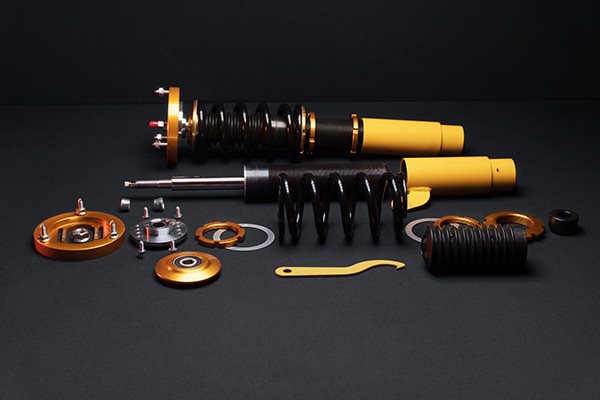
If your car keeps bouncing after a bump or dives noticeably under braking, worn shocks or struts may be the cause. Because the decline usually happens gradually, drivers often get used to the change. The vehicle still moves, but its suspension no longer controls wheel and body movement as well as intended. Leaving weak dampers in service affects comfort, tire wear, and how confidently the car responds during sudden maneuvers. An inspection helps distinguish worn dampers from other suspension problems. Shocks and Struts Control Suspension Movement Coil springs support vehicle weight and allow the wheels to move over uneven pavement. Shocks and struts slow that movement so the tires settle quickly after each bump. A shock absorber is a separate unit on many vehicles, while a strut often serves as part of the suspension's structural support. Both use damping components that gradually wear and lose effectiveness. As damping fades, the body often keeps bouncing, pit ... read more