Posted on 12/19/2025
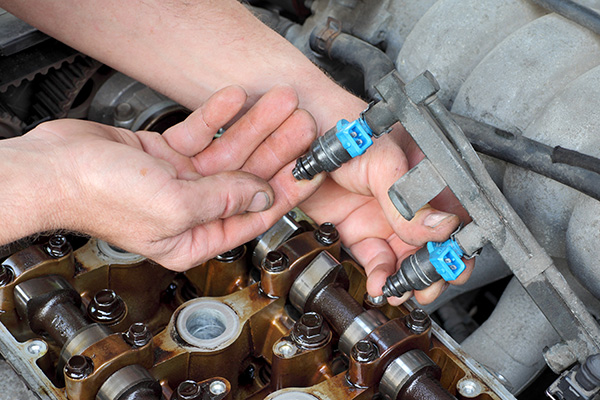
Fuel injectors work quietly in the background, delivering a precise spray of fuel into the engine thousands of times per minute. When they start to get dirty or clogged, the change is not always dramatic at first. Instead, you get a collection of small symptoms that slowly chip away at power, smoothness, and fuel economy until the car just does not feel right anymore. What Fuel Injectors Are Supposed to Do Injectors are designed to deliver the right amount of fuel in a fine, even mist at exactly the right moment. That spray pattern is what helps the engine burn fuel cleanly and efficiently. Modern systems are very sensitive, so even a slight restriction or uneven spray can throw off the mixture in that cylinder. Over time, tiny deposits from fuel, heat, and carbon can build up on the injector tips. Instead of a crisp cone of mist, the injector may dribble, spray unevenly, or not deliver enough fuel. When that happens, the computer is constantly trying to compensate ... read more
Posted on 11/28/2025
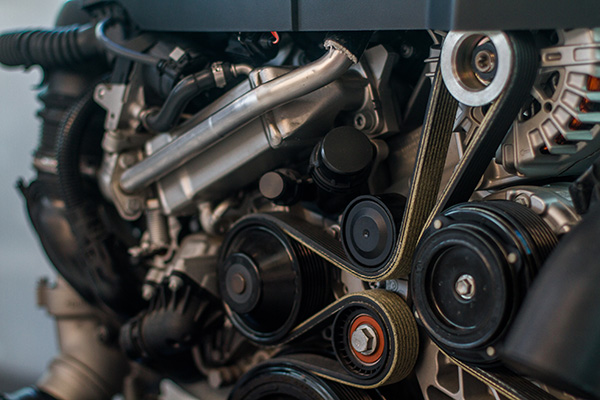
A noisy serpentine belt is more than an annoyance. It can point to slipping, misalignment, or a failing accessory that can leave you stranded. Use these five sound patterns to narrow down the cause and determine the next steps. Our technicians hear these every week across Virginia, and a quick, accurate diagnosis saves pads, pulleys, and time. What Your Serpentine Belt Actually Does One EPDM belt drives the alternator, A/C compressor, power steering pump, and water pump on most vehicles. A spring-loaded tensioner keeps the belt tight while idler pulleys guide its path. If tension drops or a pulley goes rough or crooked, the belt slips and sings. Today’s belts rarely crack like older rubber; they wear by material loss, so looks can be deceiving. Why Belts Make Noise on Modern CarsNoise usually comes from three issues: low tension, contamination, or ... read more
Posted on 10/31/2025
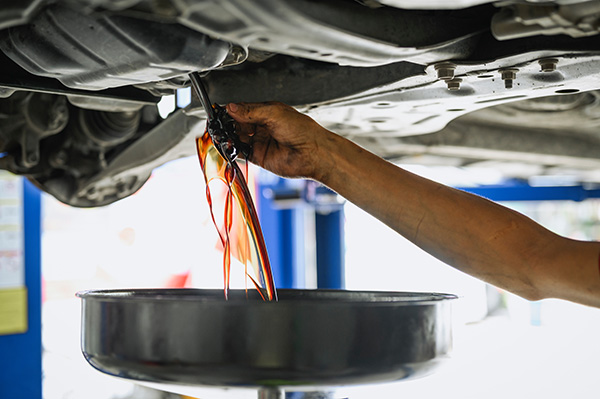
If your car has been parked for a while, you might wonder whether the oil sitting in the engine is still good. Maybe you’ve only put a few hundred miles on it since your last oil change, or maybe it hasn’t been driven at all. While oil doesn’t exactly “expire” like food, it does degrade over time. And when it sits too long, it can cause just as much trouble as driving too long between oil changes. Why Time Affects Oil, Not Just Mileage Oil is designed to protect the engine by reducing friction, carrying away heat, and preventing metal parts from wearing down. But even if the car isn’t being driven, the oil inside is still exposed to air, moisture, and temperature changes. These things break down the oil’s chemical structure. Over time, it loses its ability to lubricate and protect engine components the way it’s supposed to. What Happens to Oil When a Car Sits When a car sits for weeks or months, the o ... read more
Posted on 9/26/2025
It’s a cold morning, you hop into your car, turn the key, and for a moment everything seems fine until the engine sputters and shuts off. An engine that stalls shortly after starting is more than an inconvenience. It’s often a sign of an underlying issue that shouldn't be ignored. This kind of problem can come from several places within your vehicle, and while some causes are minor, others point to serious trouble that could leave you stranded. Here are some of the most common reasons your engine might stall right after startup, and what each one may suggest. 1. Fuel Delivery Issues One of the more frequent reasons for a stalling engine is a lack of fuel reaching the combustion chambers. This might happen because of a clogged fuel filter, a weak fuel pump, or even contaminated fuel. When the engine starts, it uses the residual pressure in the system, but once it tries to settle into idle, the restricted flow can't keep up. If the engine sputters ... read more
Posted on 8/29/2025

Mud is one of the trickiest surfaces for vehicles to handle. Unlike gravel or pavement, mud shifts under the tires, removing the firm traction your car relies on. Even vehicles equipped with all-wheel or four-wheel drive can sink if the ground is saturated or if the tires spin excessively. Understanding why it happens is the first step to preventing and responding effectively when it does. Stay Calm and Assess the Situation The most important step when you realize your vehicle is stuck is to avoid panicking. Spinning the wheels aggressively often makes the situation worse, digging the tires deeper into the mud. Instead, put the car in park, step out safely if conditions allow, and evaluate how deep the wheels are buried. Checking the firmness of the ground around the tires will help you decide the best next move. Clear a Path for the Tires Mud often builds up around the wheels, acting like a barrier. Use a small shovel, stick, or even your hands to ... read more