Posted on 1/30/2026
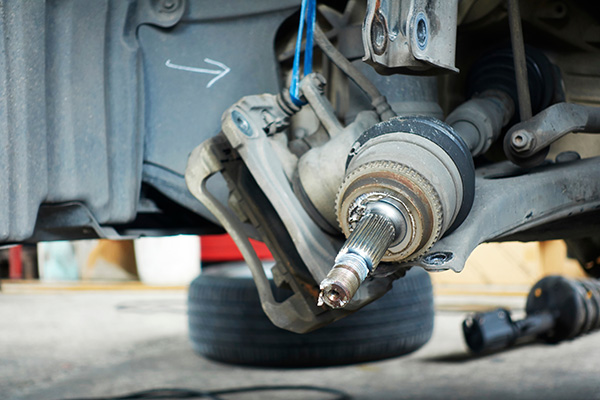
A CV joint can start going bad in a way that messes with your confidence more than your schedule. The car still moves, but a new sound shows up on the turns. Or you feel a shudder that was never there before, right when you’re trying to accelerate normally. If you can figure out whether the inner or outer CV joint is the problem, you’re already closer to the right repair. The symptoms are different enough that you can often tell which side is failing just by noticing when it acts up. Why CV Joints Fail In Real Life CV joints, short for constant velocity joints, let the axle deliver power while the suspension moves up and down and the wheels steer left and right. Each axle typically has an outer joint near the wheel and an inner joint closer to the transmission. The most common reason they fail is boot damage. The rubber boot holds grease in and keeps g ... read more