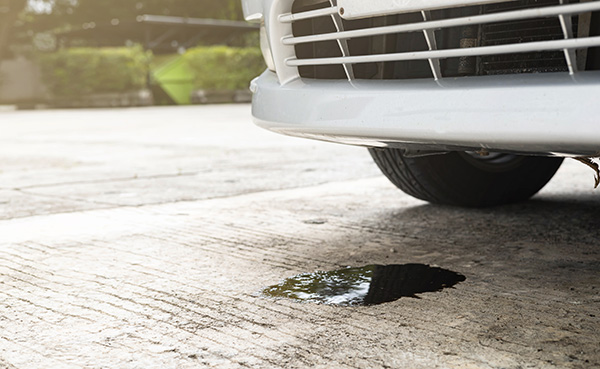
A few oil spots beneath the car are easy to postpone when you're staying close to home. A road trip changes the calculation. The engine will run longer, reach full temperature, and spend more time away from a familiar repair shop.
The size of the puddle doesn't tell the whole story. Oil can collect on a shield, spread along engine surfaces, or land on a hot component without leaving much on the ground.
Before leaving, have the source and rate of the leak checked. At Chahel Automotive, we can review the condition and explain whether the car needs repair before the trip.
Why a Small Oil Spot Gives an Incomplete Picture
A parked-car drip shows where some oil ended up, not necessarily where the leak began. Air moving beneath the vehicle carries oil along surfaces while driving. Underbody panels also collect it before it reaches the pavement. A leak that slows when the engine stops behaves differently from one active under running pressure. Long periods of highway use sometimes expose more loss than a short driveway observation suggests.
Record the oil level using the vehicle's procedure and note how much you add between checks. That history gives us a rate to investigate. A photo of the spots and any residue you noticed also helps describe the condition without requiring you to inspect beneath the car.
Engine Oil Level Before a Road Trip
The engine needs enough oil to circulate and protect moving surfaces. A falling level reduces the amount available, and continued loss eventually threatens lubrication.
Check the level on the schedule and under the conditions described in the owner's manual. Some vehicles use a dipstick; others use an electronic procedure. The instructions explain the engine temperature, waiting time, and parked position required.
Carry the correct oil if the vehicle calls for top-offs, but don't treat spare bottles as permission to drive with an unresolved leak. The loss still needs explanation, and the required oil specification remains the same.
Adding oil also leaves the oil-change interval unchanged. A top-off replaces missing volume; scheduled service replaces the aged lubricant and filter.
Oil Leaks Near Exhaust Components
Location changes the urgency. Oil leaking onto an exhaust manifold, turbocharger area, or other hot surface can create smoke, odor, and a potential fire hazard. If you notice smoke from the engine compartment or a strong burning smell, stop safely and shut off the engine. Move people away from traffic and the vehicle when it is safe to do so. For flames or an immediate fire concern, call emergency services.
Don't continue just because the oil level still reads within range. The hot surface is the problem in that situation. A leak inspection should identify where the oil travels and whether it threatens nearby equipment.
Oil Contamination Around Belts and Hoses
Oil escaping near a belt or rubber component affects more than the engine level. Contamination changes material condition and belt grip, depending on the part involved.
A damaged accessory belt creates another risk of failure. On engines where leaking oil reaches timing components, the inspection needs to review the belt system and the manufacturer's repair requirements.
The estimate should connect the leak repair with any damaged surrounding parts. Cleaning visible residue while leaving a failing seal or hose untouched doesn't finish the job. The source needs repair, followed by checks that confirm the area stays dry during operation.
Oil Leak Details to Check Before Traveling
Before setting out, review:
- Where the oil is escaping
- How quickly the level is dropping
- Whether oil reaches hot exhaust parts
- Any contamination on belts or nearby components
The inspection turns those questions into a travel decision. A minor seep with a stable level is different from an active leak near a hot manifold.
Oil Pressure Warnings Require Stopping
An oil pressure warning with the engine running is an urgent instruction, not a routine oil-change reminder. Pull over safely and shut down the engine.
Low pressure quickly damages bearings and other lubricated components. Continuing toward the next exit or repair shop risks turning a leak repair into engine work. Follow the owner's manual and arrange assistance if the cause isn't clear.
Adding oil after checking the level doesn't automatically establish that the pressure problem has been corrected. The warning requires the vehicle's prescribed response and, where necessary, testing before the engine runs again.
New knocking or an overheating warning also changes the plan. Describe those symptoms when requesting help and avoid restarting repeatedly to see whether they disappear.
Planning a Road Trip After an Oil Leak Inspection
A trip doesn't create a deadline that a leak politely waits for. Hours of running give an existing fault more time to lose oil, and remote stretches leave fewer convenient stopping places.
Have the check completed early enough to allow repairs and verification. Scheduling it on the morning you leave removes the time needed to locate parts or confirm the repair under road conditions.
After a leak repair, the final review should confirm the source is sealed and distinguish old residue from fresh leakage. Keep the service record and follow any level-check instructions provided.
The vehicle's condition guides the decision. If the leak requires repair, complete that work before committing to a long drive. If further testing is needed, budget time for that step as well.
Review the rest of the travel preparation during the visit. Tires, brakes, coolant, and starting performance affect whether the car is ready to spend hours on the road. An oil leak appointment is a chance to organize overdue maintenance alongside the immediate concern.
Let the shop know the expected distance and whether you're carrying passengers, luggage, or towing equipment. Those details describe the load the vehicle will face and help shape the pre-trip review.
Oil Leak Repair at Chahel Automotive
Chahel Automotive serves drivers through 5 convenient locations across Virginia. We can inspect an engine oil leak, review loss between top-offs, and discuss repairs before your road trip. Mention burning smells, smoke, or warning messages when booking so we can discuss safe transport if needed.
Call Chahel Automotive to schedule an oil leak inspection before starting your next long drive.